

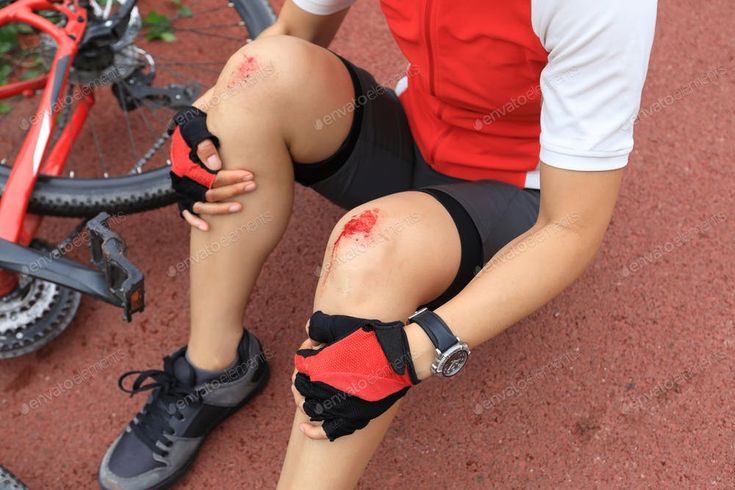
Cycling is an excellent form of exercise that improves cardiovascular health, strengthens muscles, and provides an enjoyable way to stay active. Whether you are a recreational rider or a competitive cyclist, spending long hours on a bike can sometimes lead to injuries. Understanding common cycling injuries and learning how to prevent them can help riders enjoy the sport safely while maintaining peak performance.
Common Cycling Injuries
Cycling injuries can result from overuse, poor bike fit, improper technique, or accidents. Some of the most common issues include:
Knee Pain
Knee pain is one of the most frequent complaints among cyclists. It often occurs due to repetitive pedaling motions, incorrect saddle height, or excessive training intensity. Pain may develop around the front, back, or sides of the knee, depending on the underlying cause.
Lower Back Pain
Long periods in a bent-forward riding position can place stress on the lower back. Weak core muscles, poor posture, and an improperly adjusted bike can contribute to discomfort and stiffness in this area.
Neck and Shoulder Strain
Cyclists often keep their heads raised to watch the road ahead, which can strain the neck and shoulders. Extended rides, especially on rough terrain, may lead to muscle tension and soreness.
Wrist and Hand Numbness
Pressure on the handlebars can compress nerves in the hands and wrists, causing numbness, tingling, or weakness. This condition is especially common during long-distance rides.
Achilles Tendon Injuries
The Achilles tendon connects the calf muscles to the heel bone. Improper cleat positioning, sudden increases in training volume, or poor flexibility can place excessive stress on this tendon.
Saddle Sores
Saddle sores are skin irritations that develop from prolonged friction and pressure between the rider and the bicycle seat. They can range from mild discomfort to painful skin infections.
Causes of Cycling Injuries
Several factors contribute to cycling-related injuries:
- Poor bike fit and equipment setup
- Excessive training without adequate recovery
- Weak supporting muscles
- Improper riding posture
- Lack of flexibility and mobility
- Sudden increases in mileage or intensity
- Inadequate warm-up routines
Addressing these factors can significantly reduce the likelihood of injury.
Injury Prevention Strategies
Ensure Proper Bike Fit
A correctly fitted bicycle is essential for comfort and injury prevention. Saddle height, handlebar position, and pedal alignment should be adjusted according to the rider’s body dimensions and riding style.
Build Strength and Flexibility
Strength training exercises targeting the core, hips, glutes, and legs can improve stability and reduce strain on joints. Stretching and mobility exercises help maintain flexibility and improve overall movement patterns.
Increase Training Gradually
Avoid sudden jumps in distance, speed, or training frequency. Gradually increasing workload allows the body to adapt and reduces the risk of overuse injuries.
Use Proper Cycling Technique
Efficient pedaling and good posture help distribute forces evenly throughout the body. Maintaining a relaxed grip on the handlebars can also reduce pressure on the hands and wrists.
Wear Appropriate Gear
Quality cycling shorts, gloves, and properly fitted shoes enhance comfort and reduce the risk of skin irritation and pressure-related injuries.
Prioritize Recovery
Rest days are essential for muscle repair and injury prevention. Adequate sleep, hydration, and proper nutrition support recovery and overall performance.
Recovering from Cycling Injuries
When an injury occurs, early intervention is important. Mild injuries often respond well to rest, ice, compression, and gentle stretching. Reducing training intensity and allowing time for healing can prevent minor issues from becoming chronic problems.
For persistent pain, swelling, or loss of function, consulting a healthcare professional is recommended. Physical therapists and sports medicine specialists can identify underlying causes and develop personalized treatment plans.
Conclusion
Cycling offers numerous physical and mental health benefits, but injuries can occur if proper precautions are not taken. Common issues such as knee pain, back discomfort, neck strain, and saddle sores often stem from poor bike fit, overtraining, or improper technique. By focusing on prevention, maintaining proper equipment setup, and prioritizing recovery, cyclists can reduce injury risk and continue enjoying the sport for years to come. A balanced approach to training and self-care is the key to safe and successful cycling.
